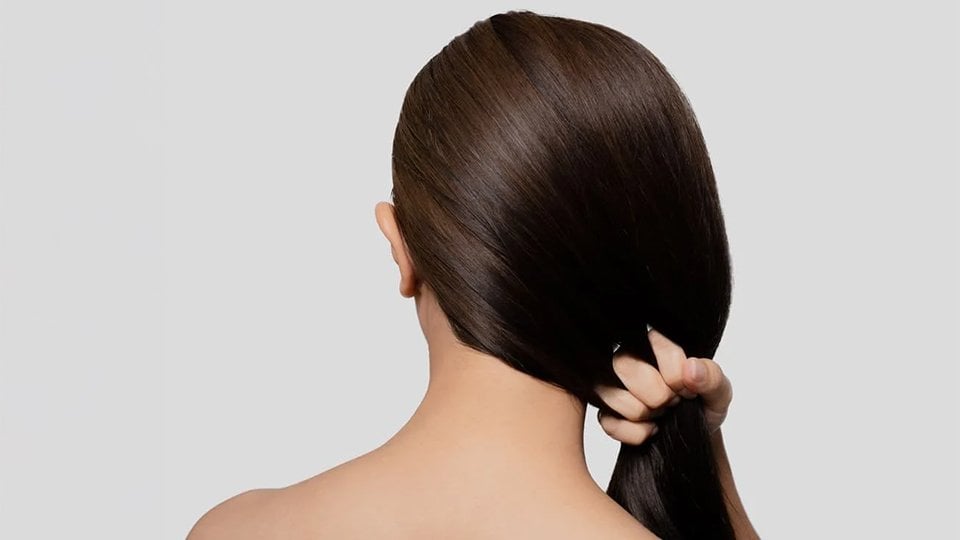
Ever noticed your ponytail feeling thinner or your scalp becoming more visible over time? Hair thinning is a gradual loss of density that leaves your hair looking less voluminous and more fragile. Unlike sudden hair fall, hair thinning can creep up slowly before you even notice. The good news? There are some expert-backed hair thinning solutions that can help you prevent it effectively.
So, how do you prevent hair thinning? It comes down to three things — identifying root causes (stress, hormonal shifts, nutrition, or damage), strengthening the hair fiber, and building protective daily habits. This guide walks you through all three, backed by L'Oréal Professionnel's expertise.
In a Nutshell
Hair thinning can be managed with consistent scalp care, strengthening treatments, and mindful daily habits. By addressing root causes and following a structured routine, you can support healthier, fuller-looking hair over time.
Table of Content
Common Causes of Hair Thinning
Listed below are some of the most common causes of hair thinning:
- Hormonal Changes: Fluctuations due to age, stress, or medical conditions can disrupt the natural hair growth cycle and lead to gradual thinning.
- Chronic Stress: Prolonged stress can push hair follicles into a resting phase, resulting in increased shedding over time.
- Nutritional Deficiencies: Lack of essential nutrients such as iron, protein, and vitamins weakens the hair structure and affects density.
- Excessive Heat Styling: Frequent use of hot tools damages the hair fiber, making strands more prone to breakage and visible thinning.
- Tight Hairstyles: Styles that pull at the roots create tension, which may contribute to traction-related thinning.
- Product Buildup: Accumulated residue on the scalp can block follicles and interfere with healthy hair growth.
- Root Hair Fall vs Breakage: True thinning occurs at the follicle level, while breakage along the lengths only creates the appearance of reduced volume.
- Lack of Targeted Care: Without identifying the exact cause, choosing the right thin hair treatment or hair thinning solution becomes challenging and less effective.
Tips to Prevent Hair Thinning
1. Build a Healthy Scalp Foundation
Healthy hair begins at the scalp. Congestion, excess oil, and product buildup can suffocate follicles and impact growth quality. A balanced scalp environment is the first step in understanding how to stop thinning of hair effectively.
- Use a gentle yet clarifying shampoo suited to your scalp type.
- Scalp serums and professional treatments designed for thin hair treatment can further support follicle strength and density.
Consistent scalp care acts as a foundational hair thinning solution, ensuring new growth emerges stronger and healthier. If you are searching for practical ways on how to stop hair thinning, start by treating your scalp with the same care you give your hair.
2. Strengthen Hair to Reduce Breakage-Related Thinning
Not all thinning originates at the roots. Weak, fragile strands often snap mid-length, creating the appearance of reduced volume. Understanding this distinction is essential when decoding how to stop hair thinning caused by breakage.
- Include strengthening masks and protein-enriched conditioners into your weekly routine. These formulas reinforce the fiber, minimize breakage, and complement any thin hair treatment focused on density.
- Heat protectants are equally crucial. Excessive styling weakens the cuticle, accelerating breakage. Additionally, limit heat exposure and invest in repair-focused products.
When fiber strength improves, visible fullness often follows. This dual approach supports both root health and strand resilience as part of a comprehensive hair thinning solution.
3. Adopt Daily Habits That Prevent Hair Thinning
Everyday practices significantly influence long-term hair health. Small adjustments can determine whether you successfully learn how to stop thinning of hair or unintentionally worsen it.
- Detangle gently: Use a wide-tooth comb and begin from the ends upward to minimize stress on the roots.
- Avoid tight hairstyles: Constant tension from ponytails or braids can weaken follicles.
- Limit chemical processing: Frequent coloring or straightening may compromise fiber integrity.
- Sleep on silk or satin pillowcases: Reduces friction and breakage overnight.
These mindful adjustments are practical steps in mastering how to avoid hair thinning while protecting existing density.
Haircare Routine for Thinning Hair
A structured routine can function as a reliable hair thinning solution when maintained consistently.
Step 1: Scalp-Focused Cleanse
Use a lightweight, hair density shampoo to maintain scalp balance without stripping essential moisture.
Step 2: Targeted Conditioning
Apply conditioner primarily to mid-lengths and ends to prevent excess scalp buildup.
Step 3: Weekly Strengthening Mask
A fortifying hair mask supports fiber reinforcement and complements your thin hair treatment plan.
Step 4: Scalp Serum or Leave-In Treatment
Growth-supportive professional hair serum enhances follicle vitality and plays a central role in how to stop thinning of hair effectively.
Step 5: Heat Protection and Minimal Styling
Protect strands before styling and allow air-drying whenever possible to reduce mechanical stress.
Consistency is key. If you are exploring how to stop hair thinning, avoid switching products too frequently and give treatments adequate time to show results.
Nutrition & Lifestyle Support for Hair Health
- External care alone cannot resolve thinning. Nutrient deficiencies, high stress levels, and poor sleep patterns significantly impact hair density.
- Protein intake is essential, as hair is primarily composed of keratin. Iron, biotin, zinc, and omega-3 fatty acids also contribute to follicle health. Staying hydrated supports elasticity and scalp balance.
- Managing stress is equally important. Chronic stress can disrupt the hair growth cycle, making it harder to understand how to stop thinning of hair without addressing internal triggers.
When combined with professional care, nutritional balance becomes a long-term hair thinning solution that strengthens hair from within.
What to Avoid If You’re Experiencing Hair Thinning
If thinning is already noticeable, certain habits may worsen the condition:
- Overwashing or aggressive scrubbing
- Heavy styling products that clog follicles
- Excessive bleaching or chemical treatments
- Ignoring early signs of shedding
Avoiding these practices supports your efforts in discovering how to stop hair thinning while reinforcing any ongoing thin hair treatment.
It is also important not to panic. Sudden product changes and over-layering treatments may do more harm than good. A structured, simplified routine is often the most effective hair thinning solution.
Conclusion
Hair thinning may feel discouraging, but with the right steps, you can manage it effectively. Whether you want to stop thinning hair, prevent hair thinning, or simply maintain your hair’s natural volume, a consistent routine is the key. Focus on nourishing your scalp, choosing the right hair fall control products like hair density shampoo and anti-hair loss serum, and avoiding common mistakes. Over time, these small but powerful habits can bring visible improvements and help you enjoy stronger, healthier, and fuller-looking hair.
For expert guidance, visit your near L'Oréal Professionnel salon for amazing hair care solutions. For personalised guidance, take the Hair Quiz by L’Oréal Professionnel to discover your hair type and get tips and product recommendations for smoother, healthier hair.