1. Which shampoos work best for protecting color-treated hair and adding shine?
Sulfate-free, color-safe shampoos work best as they gently cleanse without stripping color or natural oils. These formulas help lock in pigment, maintain moisture, and enhance shine by keeping the hair cuticle smooth and sealed.
2. Which shampoo is best for keeping hair color vibrant for longer?
The best shampoo is one specifically designed for color-treated hair with mild cleansers, moisturizing ingredients, and color-protecting technology. These help reduce color fade, retain hydration, and keep your shade looking fresh and vibrant for longer.
3. What is hair lightening and how does it work?
Hair lightening is a chemical process that lifts natural or artificial pigment from the hair to achieve a lighter shade. It works by opening the hair cuticle and breaking down melanin to reveal a brighter base.
4. Which hair lightening product is best for professional results?
The best hair lightening product depends on your starting color, hair condition, and desired lift. Professional formulas are designed to deliver controlled results with even lift and minimal damage when used correctly.
5. What are the different types of lightening products for hair?
Common lightening products for hair include creams, pastes, and powders used for highlights, balayage, or full-head lightening. Each format offers a different level of control and application technique.
6. Can hair lightening damage your hair?
Hair lightening can make hair more porous and dry if not done properly. Using well-formulated products and following with proper care helps maintain strength and shine.
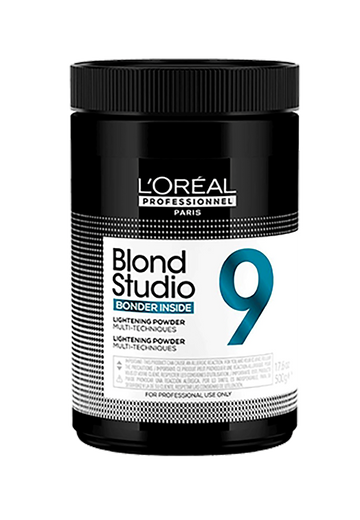
7. What is a lightening powder and how is it used?
A lightening powder is typically mixed with a developer to create a formula that lifts hair color effectively. It is widely used for highlights and high-lift transformations in professional settings.
8. How do I choose the right hair lightening product for my hair type?
Consider your hair texture, previous chemical treatments, and desired level of lift. Finer hair may need gentler formulas, while darker or resistant hair may require stronger systems.
9. How long does hair lightening take?
Processing time varies depending on the starting shade and desired result. It typically ranges from 20 to 45 minutes but should always be guided by professional recommendations.
10. Is ammonia-free hair lightening available?
Yes, some modern formulas are designed to be gentler on the scalp while still delivering effective lift. These options focus on balancing performance with improved comfort.
11. What is the difference between hair lightening and bleaching?
Hair lightening is a broader term for lifting color, while bleaching usually refers to stronger formulations used for more dramatic lift, especially on darker hair.
12. Can I use a L’Oréal hair lightener for highlights and balayage?
Yes, a L’Oréal Professionnel hair lightener can be used across various techniques including highlights, balayage, and full-head lightening, depending on the formula and application method.
13. How do I maintain hair after hair lightening?
Post-lightening care should include hydrating shampoos, conditioners, and masks to restore moisture and prevent dryness. Regular treatments help maintain softness and shine.
14. What should I avoid after a hair lightening treatment?
Avoid excessive heat styling and frequent washing right after lightening. Gentle care and color-safe products help protect your results and maintain hair health.
15. Can hair lightening be done on previously colored hair?
Yes, hair lightening can be performed on previously colored hair, but the results depend on the existing color, hair condition, and color history. Professional assessment is important to determine the appropriate technique and achieve an even lift while minimizing damage.