
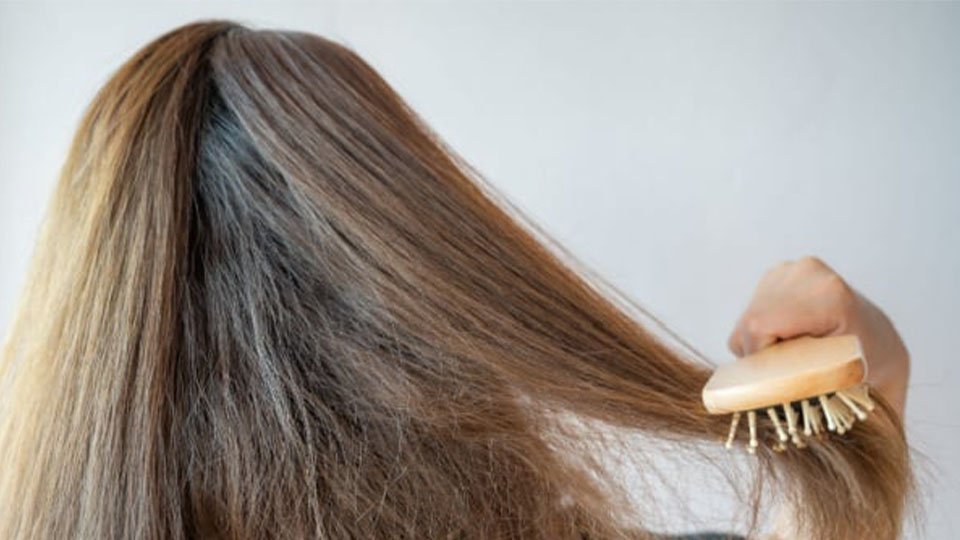
Frizz can make hair feel dry, rough, puffy, and difficult to manage, especially in humid weather or after frequent heat styling. The good news is that once you understand the causes of frizzy hair, it becomes much easier to build a routine that smooths the hair cuticle, locks in moisture, and improves overall manageability. Whether you want to know how to reduce frizzy hair or are searching for quick fixes before stepping out, this guide covers everything you need to know.
In a Nutshell
You moisturize. You condition. You even air-dry. And yet, the frizz is still there, making your hair look like it has its own agenda. Sound familiar? You're not alone. Understanding what causes frizz is the first step towards actually controlling it, and the fix is rarely as simple as switching your shampoo. This guide covers the causes of frizzy hair and how to get rid of frizz effectively.
What Causes Frizz?
At its core, frizz is a moisture problem, but not always in the way you'd expect. Each strand of hair is covered in microscopic cuticle scales that, when healthy, lie flat and lock moisture in. When these scales lift due to dryness, humidity, damage, or product buildup, moisture from the air enters the cortex unevenly, causing the strand to swell and curl in unpredictable directions. That's frizz.
The tricky part? Too little moisture and too much moisture can both cause it. So, while ‘hydration’ is the popular advice, the actual solution depends on why your cuticles are lifting in the first place.
7 Common Causes of Frizzy Hair
Pinpointing your trigger is what separates guesswork from real progress. Here are the most common causes of frizzy hair, and why each one matters.
1. Heat Styling Damage
Frequent use of straighteners, curling irons, and blow dryers weakens the hair cuticle and strips away moisture, making hair rough and frizzy.
2. Humidity
Humidity is one of the leading causes of frizzy hair because excess moisture in the air causes dry strands to swell and lose definition.
3. Overwashing Hair
Washing your hair too often can remove natural oils that help keep the cuticle smooth and protected.
4. Using Harsh Shampoos
Sulfate-heavy shampoos can leave hair dehydrated, which increases frizz and roughness.
5. Chemical Treatments
Hair coloring, bleaching, and rebonding treatments weaken the hair structure and often increase dryness.
6. Rough Towel Drying
Aggressively rubbing wet hair with a towel creates friction, lifts the cuticle, and contributes to breakage and frizz.
7. Lack of Hydration
One of the most overlooked causes of frizzy hair is simply not using enough hydrating products like conditioners, masks, and serums.
How to Reduce Frizzy Hair Step by Step
If you’ve been wondering how to reduce frizzy hair, consistency matters more than quick fixes. A proper haircare routine can visibly improve smoothness over time.
Step 1: Use a Hydrating Shampoo
The foundation of learning how to stop frizzy hair starts in the shower. Choose moisturizing shampoos formulated for dry or frizzy hair instead of clarifying formulas that strip natural oils.
Step 2: Never Skip Conditioner
Conditioner helps seal the cuticle and smooth rough strands. If you want to know how to fix frizzy hair effectively, conditioner is non-negotiable.
Step 3: Apply a Hair Serum
Lightweight serums help coat the hair surface, reduce flyaways, and protect against humidity. This is one of the easiest ways to reduce frizz instantly.
Step 4: Use Heat Protectant Before Styling
Heat damage is one of the major causes of frizzy hair, so protecting strands before styling is essential.
Step 5: Limit Heat Styling
Reducing heat exposure is one of the best long-term methods for anyone trying to learn how to stop frizzy hair naturally.
Step 6: Deep Condition Weekly
Hair mask for frizzy hair can help replenish moisture and improve softness. Weekly treatments are especially helpful if you’re figuring out how to fix frizzy hair caused by dryness or damage.
How to Get Rid of Frizzy Hair Quickly
Already out the door and dealing with frizz? These fast fixes work in minutes, no wash required. How to get rid of frizzy hair quickly comes down to damage control: taming the cuticle without making things worse.
- Press, don't smooth: Apply a tiny amount of hand cream, serum or argan oil to your palms, press it lightly over the surface of your hair, don't run fingers through it, which creates more friction.
- Use a frizz-finishing spray: Anti-humidity sprays with polymers or glycerin form a thin film over the cuticle. Mist lightly from 12 inches away and let it settle on its own.
- Pin and go: A sleek low bun, braid or twist, instantly removes frizz from the equation. Use a satin scrunchie to avoid adding breakage at the hairline.
- Cool-blast your roots: A quick pass with a blow dryer on the cool setting can re-flatten the cuticle without adding heat damage, effective on mild frizz and flyaways.
These quick fixes help smooth the hair surface while adding shine and softness temporarily. Also learn more about Guide on Frizzy Hair: From Everyday Care to Salon Treatments for more insights.
Best Ingredients for Frizz Control
When shopping for products, the ingredient list matters more than the marketing claim. Here's what actually works to fix frizzy hair at the cuticle level:
-
Glycerin
A humectant that draws moisture from the air into the hair shaft. Works brilliantly in moderate humidity, less effective in extremely dry or humid climates without a sealant on top.
-
Argan oil
Rich in oleic acid and vitamin E, it smooths the cuticle and adds a reflective sheen without weighing hair down. A go-to for how to fix frizzy hair in fine to medium textures.
-
Hydrolyzed keratin
Protein fragments that bond to gaps in damaged cuticles, reinforcing the hair shaft and reducing porosity over time. Ideal for chemically treated or heat-damaged hair.
-
Shea butter
An emollient that coats and softens the cuticle. Best for thick, coily, or very dry hair can be too heavy for fine hair unless used sparingly on ends only.
-
Dimethicone (silicone)
Creates a smooth, water-repellent film over the cuticle. Highly effective at stopping frizzy hair but requires regular clarifying to prevent buildup. Not for low-porosity hair types.
Daily Habits That Can Make Frizz Worse
Sometimes the biggest gains come from what you stop doing. These common habits are quietly undermining your routine and directly contributing to the causes of frizzy hair that are hardest to reverse.
- Hot showers: Hot water strips natural oils and lifts the cuticle. Finish every wash with a cool rinse.
- High-heat drying: Direct hot airflow disrupts the cuticle; use low heat, a diffuser, or air-dry whenever possible.
- Brushing dry curls: Detangling curly or wavy hair without moisture or slip breaks the curl pattern and multiplies frizz.
- Overwashing: Daily washing strips the scalp's sebum, your hair's natural frizz-fighter. 2-3x per week is optimal for most hair types.
- Cotton pillowcases: Cotton fibers create friction overnight, lifting the cuticle while you sleep. Swap to satin or silk.
- Layering too many products: Piling on products creates buildup that coats the cuticle and prevents moisture from entering.
Build the right routine for your hair type. Frizz isn't a life sentence; it's a signal. Identify your trigger, adjust one habit at a time, and give your routine at least 4 weeks before drawing conclusions. Consistency beats complexity every time.