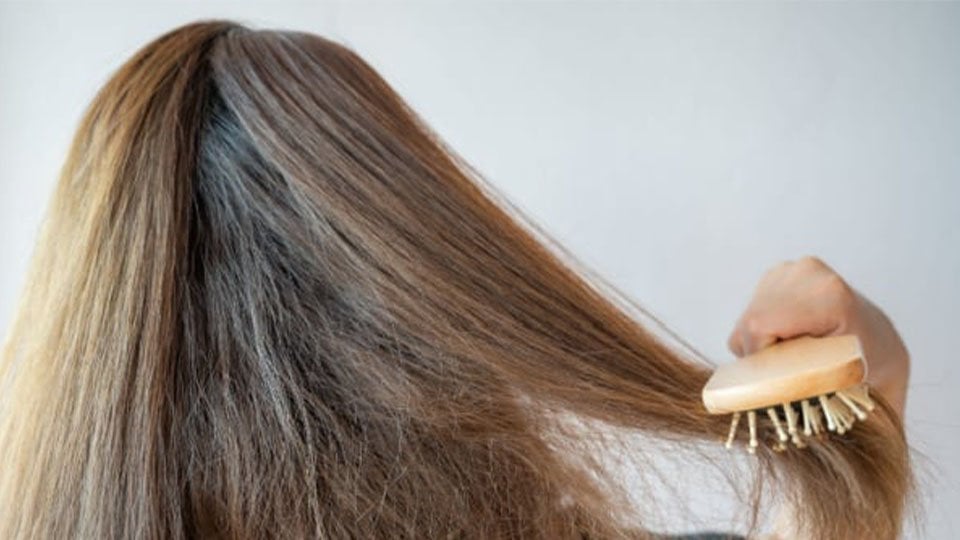
‘Does hair get frizzy in the cold?’ The short answer is yes! Winter can make frizz worse than you would expect. The combination of chilly winds outside and heated indoor spaces creates the perfect environment for frizzy hair in winter, dryness, static, and overall dullness. Whether you’re dealing with dry frizzy hair in winter, curly hair frizzy in winter, or general frizzy hair during winter, this season requires extra care and thoughtful adjustments to your routine.
But the good news? With the right habits and products, managing winter frizzy hair becomes much easier. Here’s a complete breakdown of why it happens and the most effective ways to keep your hair smooth and soft throughout the cold months.
Table of Content
Why Hair Gets Frizzy in Winter
Winter frizz is not just a random seasonal nuisance; it’s a direct response to environmental conditions. Cold air has significantly lower humidity, which means it draws moisture away from your hair. When your hair becomes dry, the cuticle lifts in search of hydration from the surrounding environment, leading to unwanted frizz.
Indoor heating systems worsen the problem by creating an even drier environment. As a result, your hair becomes more prone to static, puffiness, and rough texture. This is why so many people report sudden frizzy hair in winter even when their routine remains the same.
And yes, if you’re still wondering, ‘Does hair get frizzy in the cold for everyone?’, the answer is mostly yes, but some hair types feel it more intensely. Curly and wavy hair are naturally drier and lose moisture faster, which explains why curly hair gets frizzy in winter.
If you’re also dealing with scalp issues this season, including dryness or flakes, and want to know How to Get Rid of Dandruff and Scalp Dryness in Winter, you can read our guide for simple, effective solutions that make winter scalp care easier to manage.
Common Causes of Winter Frizz
Here are the top factors contributing to frizzy hair during winter and why the problem feels more stubborn during colder months:
- Lack of Moisture in the Air: The low humidity outdoors makes hair dry, rough, and more likely to frizz.
- Hot Showers: Hot water strips your hair of natural oils, leaving it dehydrated.
- Indoor Heating: Heaters and blowers create a dry indoor environment, accelerating moisture loss.
- Friction from Winter Clothing: Woolen scarves, sweaters, and hats can cause friction and static.
- Chemical Treatments: Colored or chemically treated hair is already vulnerable, making dry frizzy hair in winter more common.
- Incorrect Hair-Care Routine: Using harsh shampoos or skipping conditioners can worsen winter frizzy hair significantly.
Effective Remedies for Winter Frizzy Hair
To manage winter frizzy hair remedies effectively, focus on restoring moisture, reducing friction, and strengthening your hair. Here are the most impactful solutions:
Use Moisturizing Shampoos and Conditioners
Switch to hydrating formulas enriched with nourishing ingredients like shea butter, argan oil, coconut oil, or ceramides. A moisturising frizz control shampoo keeps your hair clean without stripping hydration. Follow with a deeply nourishing conditioner every time you wash.
Weekly Hydrating Hair Masks
A hair mask for deep hydration once a week can transform the feel of your hair. Look for a hair mask for frizzy hair that has formulas that target dryness, smooth the cuticle, and improve manageability.
Apply Leave-In Creams and Serums
Leave-in products help seal moisture and reduce frizz throughout the day. Choose a lightweight cream or hair serum for frizzy hair that protects against humidity and static.
Use Heat Protectant Before Styling
Winter dryness makes hair fragile. Always use heat protectant sprays before blow-drying or styling to reduce damage and prevent further frizz.
Avoid Overwashing
Washing too frequently removes natural oils. Stick to 2-3 washes per week, depending on your hair type.
Choose Microfibre Towels
They reduce friction and prevent frizz while drying.
Stay Hydrated
Your hair reflects your body’s hydration levels. Drinking enough water keeps your hair healthier from within.
Extra Care: Protect Hair from Cold Weather
- Wear Satin-Lined Caps or Scarves: Cotton and wool absorb moisture and create friction. Satin-lined accessories reduce damage and keep your hair smooth.
- Don’t Step Out with Damp Hair: Cold air expands the hair shaft, making damp hair more vulnerable to breakage and frizz.
- Reduce Heat Styling: Limit heat tools whenever possible. When required, use the lowest temperature setting.
- Opt for Gentle Hairstyles: Loose braids, ponytails, or buns help tame frizz and reduce exposure.
- Use a Humidifier Indoors: Humidifiers add moisture back to the air, helping your hair retain hydration.
Conclusion
Think winter automatically means frizz? Not anymore. Winter doesn’t have to mean battling frizzy hair in winter or constantly fixing frizzy hair. Once you understand what causes seasonal frizz and adapt your routine, your hair becomes smoother, softer, and far easier to manage, even in freezing temperatures. With the right care, smart habits, and effective frizzy hair products, winter can be just as kind to your hair as it is to your love for cozy sweaters and warm drinks.