Reviewed By: Global Hair Experts
Noticing your hair looking less full than it used to? While losing a few strands each day is normal, persistent thinning can indicate that your hair or scalp needs extra attention. Understanding the causes of hair thinning is the first step toward choosing the right care routine. This guide explains what causes hair thinning, answers why hair becomes thinner over time, and explores effective hair thinning treatment options to help support healthier, fuller-looking hair.
In a Nutshell
Hair thinning can result from genetics, lifestyle, hormonal changes, or damage to the hair and scalp. This guide explores the common causes of hair thinning, explains effective treatment options, and shares simple daily habits to help maintain healthier, denser-looking hair. Learn how the right routine can support stronger hair from root to tip.
Table of Content
What Is Hair Thinning?
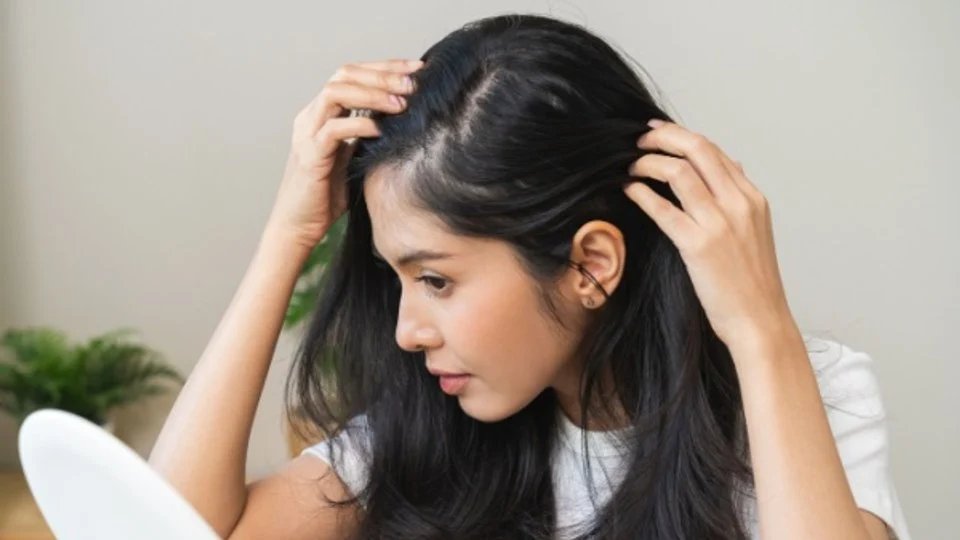
Hair thinning is the gradual reduction in hair density, making your hair appear less voluminous over time. Unlike temporary hair shedding, thinning develops slowly and may affect the crown, temples, or overall fullness. Identifying it early allows you to adopt the right care routine before it becomes more noticeable.
What Causes Hair Thinning?
Understanding what causes hair thinning helps you choose the most suitable care approach. Some of the most common causes of hair thinning include:
Genetics
Inherited traits are one of the leading reasons for hair thinning and may cause gradual hair density loss over time.
Hormonal Changes
Hormonal fluctuations during pregnancy, menopause, thyroid conditions, or other life stages can affect the hair growth cycle.
Stress
Emotional or physical stress may trigger temporary shedding several weeks after the stressful event.
Nutritional Deficiencies
Low levels of protein, iron, vitamin D, or zinc can weaken hair and contribute to thinning.
Heat Styling and Chemical Treatments
Frequent heat styling, bleaching, coloring, and chemical treatments can weaken the hair fiber, increasing breakage.
Scalp Imbalance
Excess oil, buildup, or an unhealthy scalp environment can interfere with healthy hair growth and contribute to thinning.
Why Does Hair Thin and How Can I Stop It?
If you're wondering, why does hair thin and how can I stop it?, the answer depends on addressing the underlying cause. While genetic thinning can't always be prevented, improving scalp health, minimizing breakage, eating a balanced diet, and following a consistent haircare routine can help reduce visible thinning and support healthier-looking hair.
Hair Thinning Treatment: What Actually Works?
Choosing the right hair thinning treatment starts with supporting both your scalp and your hair fiber.
Maintain a Healthy Scalp
Keep the scalp clean to remove excess oil, pollution, and product buildup that may affect healthy hair growth.
Strengthen the Hair Fiber
Use density-advanced shampoo, hair masks and In-Salon hair treatments that help reduce breakage and improve hair resilience.
Use a Targeted Hair Density Serum
Hair density serums formulated with clinically studied ingredients can help improve the appearance of fuller-looking hair when used consistently.
Reduce Heat Damage
Limit excessive heat styling and always apply a heat protectant before using hot tools.
Support Hair Through Nutrition
A balanced diet rich in protein, iron, zinc, and essential vitamins supports healthy hair from within.
Daily Habits That Help Minimize Hair Thinning
Small daily changes can become effective hair fall solutions and support long-term hair health.
- Cleanse your scalp regularly.
- Avoid tight hairstyles.
- Detangle gently using a wide-tooth comb.
- Stay hydrated.
- Manage stress.
- Minimize unnecessary heat styling.
- Sleep well and maintain a balanced diet.
These habits complement any hair thinning treatment routine and help reduce breakage over time.
Hair thinning can happen for many reasons, but understanding the causes of hair thinning makes it easier to choose the right solution. Whether you're looking for a solution for hair fall, exploring a hair thinning treatment, or simply trying to maintain healthier-looking hair, a consistent routine focused on scalp care, strengthening products, and healthy habits can make a noticeable difference over time.