
Reviewed By: Global Hair Experts
You walked out of the salon with glossy, smooth hair, but a few washes later, it feels dry, rough, or fragile again. Sound familiar? That’s because damage repair isn’t a one-time fix. While salon treatments can transform your hair instantly, the real challenge lies in maintaining those results. A structured, consistent routine, not just a product, defines how long your hair stays healthy.
In a Nutshell
Salon treatments transform your hair instantly, but without the right aftercare, results don’t last. This guide breaks down why damage repair goes beyond bond repair and how to maintain hair health long-term. Discover a smarter, routine-led approach to keep your hair smooth, strong, and protected.
What Really Causes Hair Damage After Treatments?
Hair treatments like coloring, keratin, or smoothing can weaken both the internal structure and outer cuticle of your strands. This leads to moisture loss, increased porosity, and breakage over time. The problem? Most people focus only on the treatment, but skip what comes after.
Effective damage repair requires addressing:
- Internal structural weakness
- Loss of hydration
- Cuticle damage that causes roughness and frizz
Without ongoing care, even the best salon services fade faster than you expect.
Damage Repair vs Bond Repair, What’s the Difference?
Bond repair has become a popular solution for damaged hair, but it’s only one part of the equation. Bond repair treatments focus on rebuilding internal hair bonds, which helps improve strength and elasticity. But hair health goes beyond structure. You also need hydration, nourishment, and protection. Here’s the key difference:
- Bond repair: Targets internal structure
- Damage repair: Covers structure, moisture, and surface protection
In other words, bond repair is a step. A complete damage repair treatment is a system. That’s why many people see temporary improvements, stronger hair that still feels dry or dull. True transformation happens when structural repair is combined with conditioning and aftercare. Also read our guide on How to treat different types of hair damage? For more insights.
Post Hair Treatment Care Checklist
If you want long-lasting results, your routine after the treatment matters just as much as the treatment itself.
Immediately After Treatment
- Avoid overwashing hair
- Use gentle, non-stripping cleansers
- Let the treatment settle before styling heavily
Weekly Care
- Add a deep conditioning or hair mask
- Limit frequent heat styling
- Keep your hair hydrated between washes
Long-Term Maintenance
- Use nourishing conditioners regularly
- Protect hair from environmental stress
- Avoid tight hairstyles that cause breakage
This simple checklist ensures consistent damage repair instead of letting your hair revert back to its stressed state.
Understanding Different Hair Treatments
Not all treatments work the same way, and knowing the difference helps you build a smarter routine.
1. Keratin Treatment
Designed to smooth hair and reduce frizz, keratin treatments replenish protein and improve manageability. They create softer, shinier hair but still need aftercare to maintain results.
2. Hair Botox Treatment
This is a deep conditioning solution that fills damaged areas in the hair fiber, improving softness and shine. It’s great for hydration-focused repair but doesn’t address underlying structural damage completely.
3. Hair Spa Treatments
These treatments focus on nourishment and relaxation through masks, scalp care, and hydration. They improve texture and shine but need to be part of a consistent routine.
Each of these plays a different role in hair health. The mistake is relying on one alone instead of combining them into a holistic repair treatment strategy.
How to Build a Post-Treatment Damage Repair Routine
If your goal is stronger, smoother hair that lasts, you need a routine that works across multiple layers of damage.
Step 1. Gentle Cleansing
Start with a mild damage repair shampoo that cleans without stripping natural oils.
Step 2. Conditioning and Detangling
Use a hydrating conditioner to restore softness and manageability.
Step 3. Weekly Repair
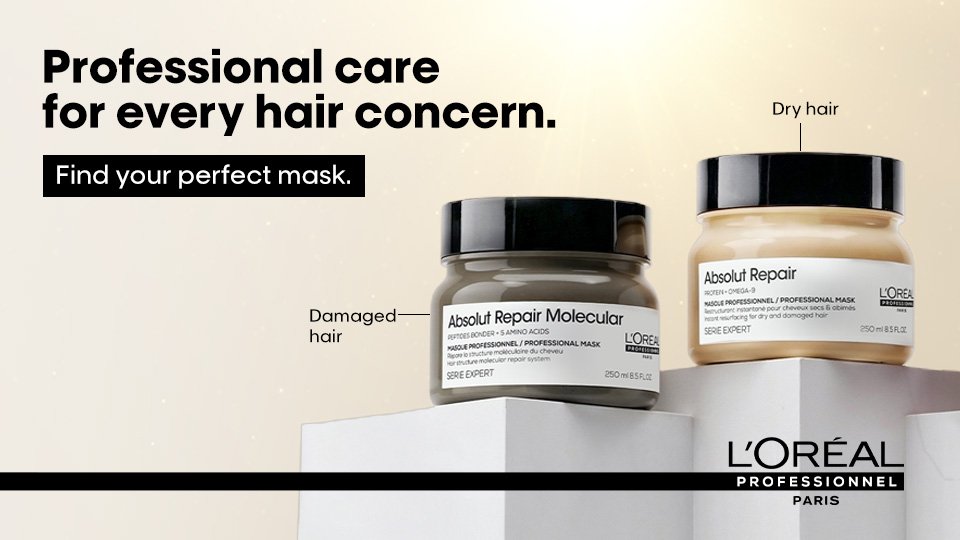
Incorporate a targeted damage repair step, such as a hair mask for damaged hair or deep conditioner to strengthen and rebuild.
Step 4. Leave-In Protection
Add a leave-in serum to protect against heat, friction, and pollution.
Step 5. Ongoing Maintenance
Keep consistency; this is what turns short-term results into long-term hair health.
This layered approach ensures your damage repair treatment continues working even between salon visits.
Healthy hair isn’t built in a single session; it’s maintained through what you do after. If your strands feel dry or weakened post-treatment, the answer isn’t just another product. It’s a smarter routine that delivers ongoing damage repair with every wash, every week. Because real results don’t come from one step, they come from everything that follows.