
Reviewed By: Global Hair Experts
Heat styling, coloring, pollution, and chemical services can leave hair feeling rough, dry, and difficult to manage. While professional salon hair spa services help restore softness and shine, maintaining healthy-looking lengths also depends on a consistent routine between appointments. The right damaged hair treatment can help replenish moisture, improve smoothness, and make hair feel healthier over time.
If your strands feel dull, brittle, or frizzy, this hair spa step-by-step guide can help you recreate a nourishing salon-like experience while supporting long-term hair health.
In a Nutshell
Dry, frizzy, and lifeless hair often needs more than just basic cleansing. A consistent hair spa step-by-step routine can help deeply nourish strands, improve texture, and support long-term damaged hair treatment. Discover the right steps, products, and tips to maintain smoother, shinier, and healthier-looking hair with ease.
What Is a Hair Spa Treatment?
A hair spa treatment is a deep-conditioning haircare ritual designed to nourish, hydrate, and repair stressed or damaged hair. It typically includes cleansing, oiling, masking, steaming, and serum application to help improve softness, shine, and overall hair texture.
A consistent damaged hair treatment routine through hair spa sessions can help:
- Reduce dryness and frizz
- Improve softness and shine
- Make hair easier to manage
- Support smoother, healthier-looking lengths
Hair Spa Step by Step
Step 1: Start with a Nourishing Hair Oil Massage
The first step in a hair spa routine is oiling. Massage a lightweight nourishing oil into the scalp and lengths for 5-10 minutes to help soften dry strands and improve manageability.
Step 2: Cleanse with a Hydrating Shampoo
Use a gentle hydrating shampoo to remove buildup, excess oil, and impurities without stripping away moisture. Choosing the right cleanser is essential for any effective treatment for damaged hair.
Step 3: Apply a Deep Conditioning Hair Mask
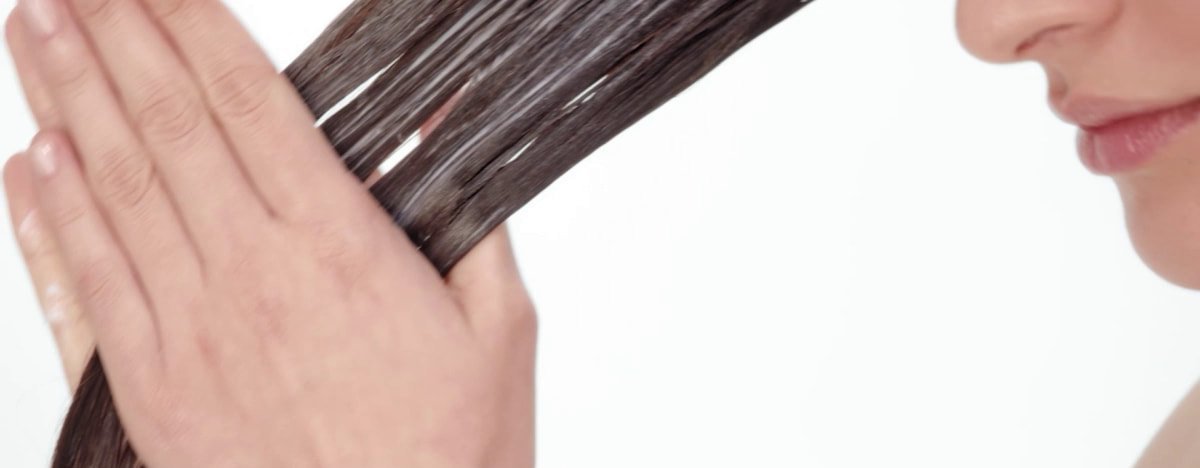
A rich conditioning mask or scalp-balancing scrub mask is one of the most important parts of a damaged hair treatment routine. Apply generously through the mid-lengths and ends, focusing on rough or brittle areas.
Leave it on for 10-15 minutes to help improve softness, smoothness, and hydration.
Step 4: Use Steam for Better Absorption
Steam helps the conditioning treatment penetrate deeper into the hair fiber. Wrap your hair in a warm towel for a few minutes as part of your hair spa step by step routine to maximize nourishment.
Step 5: Rinse with Cool or Lukewarm Water
Avoid washing with very hot water, as it can contribute to dryness. Lukewarm or cool water helps smooth the cuticle and leaves hair looking shinier and softer.
Step 6: Finish with a Serum
Complete your treatment for damaged hair with a lightweight serum to help reduce frizz, add shine, and improve smoothness without weighing the hair down.
Products Used in This Hair Spa Guide
A complete hair spa routine works best when you combine moisture-focused and repair-focused products designed for dry or damaged lengths.
Your routine can include:
- Nourishing hair oil
- Hydrating shampoo
- Deep conditioning hair mask
- Lightweight smoothing serum
- Leave-in moisturizing treatment
Using the right damaged hair treatment products consistently can help maintain softer, smoother, and healthier-looking hair between salon visits. If you want to dive deeper and learn more about hair spa and their benefits, read our guide on Hair Mask: What is It, Benefits, How to Apply Hair Mask, & More! for more insights.
How Often Should You Do a Hair Spa?
The frequency of your hair spa step by step routine depends on your hair type and level of dryness.
- Dry or damaged hair: Once a week
- Chemically treated hair: Every 7-10 days
- Normal hair: Twice a month
- Frizz-prone hair: Once every two weeks
Following a consistent treatment for damaged hair can help improve softness, smoothness, and overall manageability over time.
Common Hair Spa Mistakes to Avoid
- Using very hot water while washing hair
- Applying too much product at once
- Skipping conditioner or serum after masking
- Overusing heat styling tools after a hair spa
- Not rinsing the scalp properly
Avoiding these mistakes can make your damaged hair treatment routine more effective and help maintain smoother, healthier-looking lengths.
What Treatments Work Best for Repairing and Restoring Damaged Hair Over Time?
Restoring damaged hair requires consistency, not a single fix. The most effective treatments for damaged hair include:
- Deep Conditioning Masks: Use weekly to reduce brittleness and restore softness.
- Hair Oils: Pre-wash oiling replenishes moisture and protects dry or chemically treated strands.
- Bond-Repair Treatments: Reinforce weakened hair structure and reduce breakage every 7–10 days.
- Leave-In Serums: Seal in moisture and smooth the cuticle between washes.
- Regular Hair Spa Sessions: Combine oiling, masking, and steaming for the most comprehensive damaged hair treatment.