
Reviewed By: Global Hair Experts
If your hair feels dry, rough, or fragile, and you're wondering how to repair damaged hair, one of the most effective solutions is to use a professional hair mask consistently. A well-formulated mask works by delivering deep hydration, strengthening weakened strands, and restoring softness over time, helping support healthier-looking hair from root to tip.
In a Nutshell
Repairing damaged hair starts with the right mask and the right routine. Learn how to fix damaged hair with step-by-step application, frequency tips, and expert insights. This guide breaks down the simplest way to achieve long-term hair damage repair at home.
What are the Best Hair Masks for Deep Nourishment and Hydration?
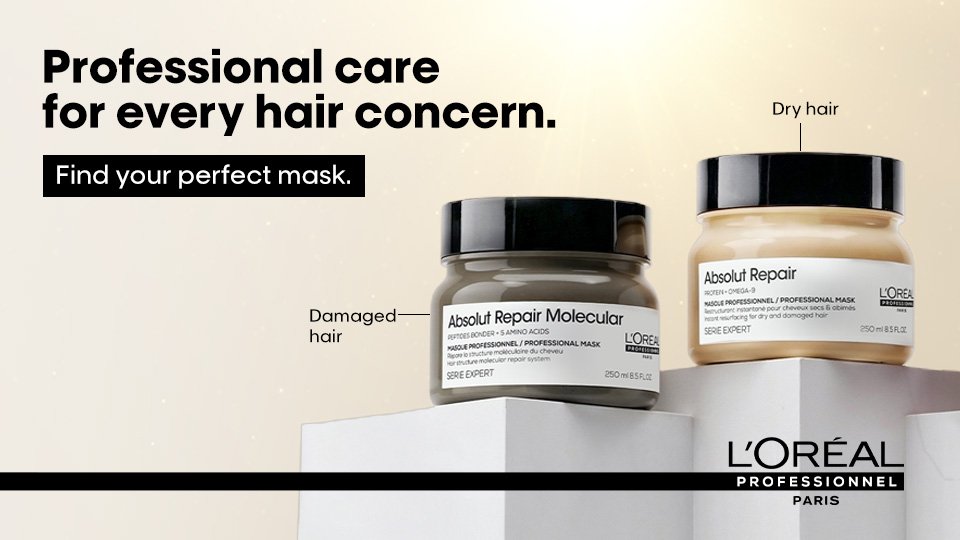
A professional hair mask can be an effective solution for those learning how to repair damaged hair, as it delivers concentrated care that goes beyond what a regular conditioner can provide.
- Proteins to strengthen weakened strands
- Oils and lipids to smooth the cuticle
- Hydrating ingredients to restore moisture balance
A high-quality mask supports both immediate softness and long-term hair damage repair, especially when used consistently. If your hair is extremely dry or chemically processed, richer formulations designed for intensive care work best. Want to learn more about the causes and signs of hair damage? Explore our guide, How to Repair Damaged Hair: A Professional Guide , for expert insights and professional care tips.
How to Repair Color-Treated Hair with a Mask?
To repair damaged hair caused by coloring, use a mask specifically designed for color-treated hair. These formulas help restore hydration while preserving vibrancy and shine. Color treatments open the hair cuticle, which leads to moisture loss and increased fragility. A targeted mask helps:
- Replenish lost moisture
- Smooth rough texture
- Strengthen weakened strands
If you’re wondering how to fix damaged hair after frequent coloring, pairing a nourishing mask with gentle cleansing and heat protection can significantly improve hair health over time.
How to Use a Hair Mask for Dry and Damaged Hair?
To effectively fix damaged hair, a mask must be applied correctly. Clean, damp hair allows better absorption of the active ingredients, ensuring maximum results.
Step-by-Step Hair Mask Application
Step 1: Wash your hair with a gentle shampoo to remove buildup.
Step 2: Then gently distribute the hair mask from mid-lengths to ends and using a wide-tooth comb to ensure even coverage.
Step 3: Let it sit for 5 to 10 minutes.
Step 4: Apply evenly from mid-lengths to ends.
Step 5: Rinse thoroughly with cool or lukewarm water to lock in moisture and shine.
Hair masks are designed to work over time, allowing nutrients to penetrate the hair structure and improve strength, softness, and shine. Regular use of this method helps build a consistent hair damage repair routine that delivers visible results.
How Often Should You Use a Hair Mask?
For optimal results, use a hair mask 1-3 times per week depending on your hair type and damage level. Experts recommend adjusting frequency based on how dry or damaged your hair feels.
- Mild damage: once a week
- Moderate damage: twice a week
- Severe damage: up to three times weekly
If you’re trying to repair damaged hair, consistency is more important than overuse. Using a mask too frequently can cause buildup, while too little use may not deliver enough nourishment.
Hair Damage Repair Routine
A consistent routine is key to long-term hair damage repair. A mask alone won’t deliver lasting results unless it’s part of a complete care system.
To fix damaged hair effectively, follow this routine:
Step 1. Cleanse Gently
Choose a shampoo for damaged hair to avoid stripping moisture.
Step 2. Conditioner Post Every Wash
Conditioners help smooth the cuticle and lock in hydration between treatments.
Step 3. Use a Professional Hair Mask
A weekly or bi-weekly mask for damaged hair should be the cornerstone of your hair damage repair routine.
Step 4. Protect Against Heat
Apply heat protectant or hair repair oil products before blow-drying or styling.
Step 5. Minimize Damage
Reduce excessive heat styling, avoid harsh brushing, and schedule regular trims.
This balanced approach helps maintain strength, improve texture, and support overall hair health.
Repairing damaged hair isn’t about one miracle product, it’s about consistency. With the right hair mask, proper application, and a simple routine, you can gradually restore strength, softness, and shine. Stick to the process, and your hair will show the results over time.