
Reviewed By: Global Hair Experts
Damaged hair can feel like a constant battle, dryness, breakage, split ends, and dullness can take over your strands, making styling difficult and frustrating. The good news? The right hair masks for damaged hair can help restore strength, shine, and softness when used consistently.
Let’s break down how to identify damage, what to look for in a mask, and how to use it effectively.
In a Nutshell
Struggling with dryness, breakage, and dullness? Discover how the right hair masks can revive damaged strands. Learn to identify damage, choose the best formulas, and use them effectively for visible results.
Upgrade your haircare routine with expert tips for stronger, healthier, and shinier hair.
How To Identify Damaged Hair
Before choosing the right treatment, it’s important to recognize the signs of damage. Common indicators include:
- Dry, rough texture that feels brittle
- Split ends and breakage when brushing or styling
- Excessive frizz and flyaways
- Lack of shine or a dull appearance
- Tangles easily, especially after washing
Hair damage can result from heat styling, chemical treatments, environmental stressors, or even over-washing. If your hair shows these signs, incorporating hair masks for damaged hair into your routine becomes essential.
What A Good Hair Mask Should Do
Not all masks are created equal. The best hair masks for damaged hair are designed to go beyond surface conditioning and deliver deep repair. Here’s what an effective formula should offer:
- Deep Nourishment: Look for ingredients like oils, butters, and proteins that penetrate the hair fiber to replenish lost moisture.
- Strength Repair: Damaged hair often lacks structural integrity. A good damaged hair repair mask should help reinforce weakened strands and reduce breakage.
- Hydration Balance: It should restore moisture without weighing the hair down, leaving it soft yet voluminous.
- Smoothness and Shine: The mask should seal the cuticle, reduce frizz and enhance natural shine.
When used regularly, high-quality hair masks for damaged hair can visibly transform texture and manageability.
Best Hair Masks For Damaged Hair
Choosing the right mask depends on your hair type and level of damage. Here are some key categories to consider:
- Protein-Enriched Masks: Ideal for severely damaged or chemically treated hair, these hair repair masks help rebuild the hair structure and improve elasticity.
- Moisturizing Masks: Perfect for dry and dehydrated hair, these focus on hydration and softness.
- Repairing Masks with Active Ingredients: Advanced formulas often include ingredients like ceramides, keratin, or antioxidants that target damage at a deeper level.
If your hair is extremely fragile or over-processed, opt for hair masks for damaged hair that combine both protein and moisture for balanced repair.
How To Use A Hair Mask
Using a hair mask correctly is just as important as choosing the right one. Follow these steps for optimal results:
Step 1: Start with Clean Hair
Always apply your mask on freshly washed, towel-dried hair so the formula can penetrate better.
Step 2: Apply Evenly
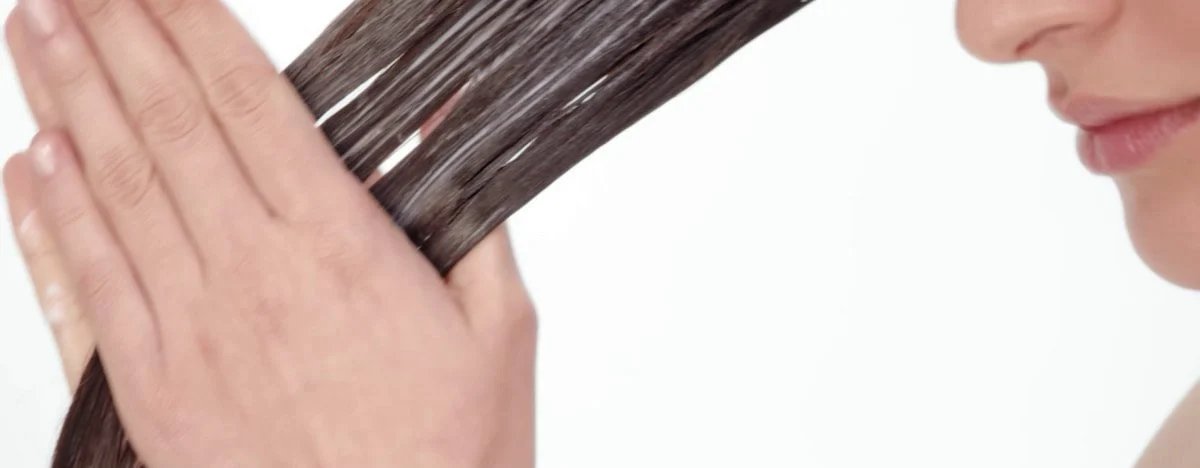
Focus on mid-lengths and ends where damage is most visible. Avoid applying too much on the scalp unless the product specifies.
Step 3: Leave It On
Let the mask sit for 5-10 minutes (or as instructed). For deeper repair, you can leave it slightly longer.
Step 4: Rinse Thoroughly
Ensure no residue is left behind to maintain bounce and lightness.
For best results, use hair masks for damaged hair 1-2 times a week, depending on your hair’s condition.
Damaged hair doesn’t have to be permanent. With the right care routine and consistent use of hair masks for damaged hair, you can restore your strands to a healthier, shinier state. Focus on formulas that nourish, repair, and protect, and pair them with gentle hair care habits to prevent further damage.
Healthy hair is not just about appearance, it’s about strength, resilience, and long-term care.